 Migraine Journal








Migraine During Exams: What to Do Before, During and After
Migraine during exams: what to do if one hits the night before or in the exam room, telling the invigilator, access arrangements and revision triggers.
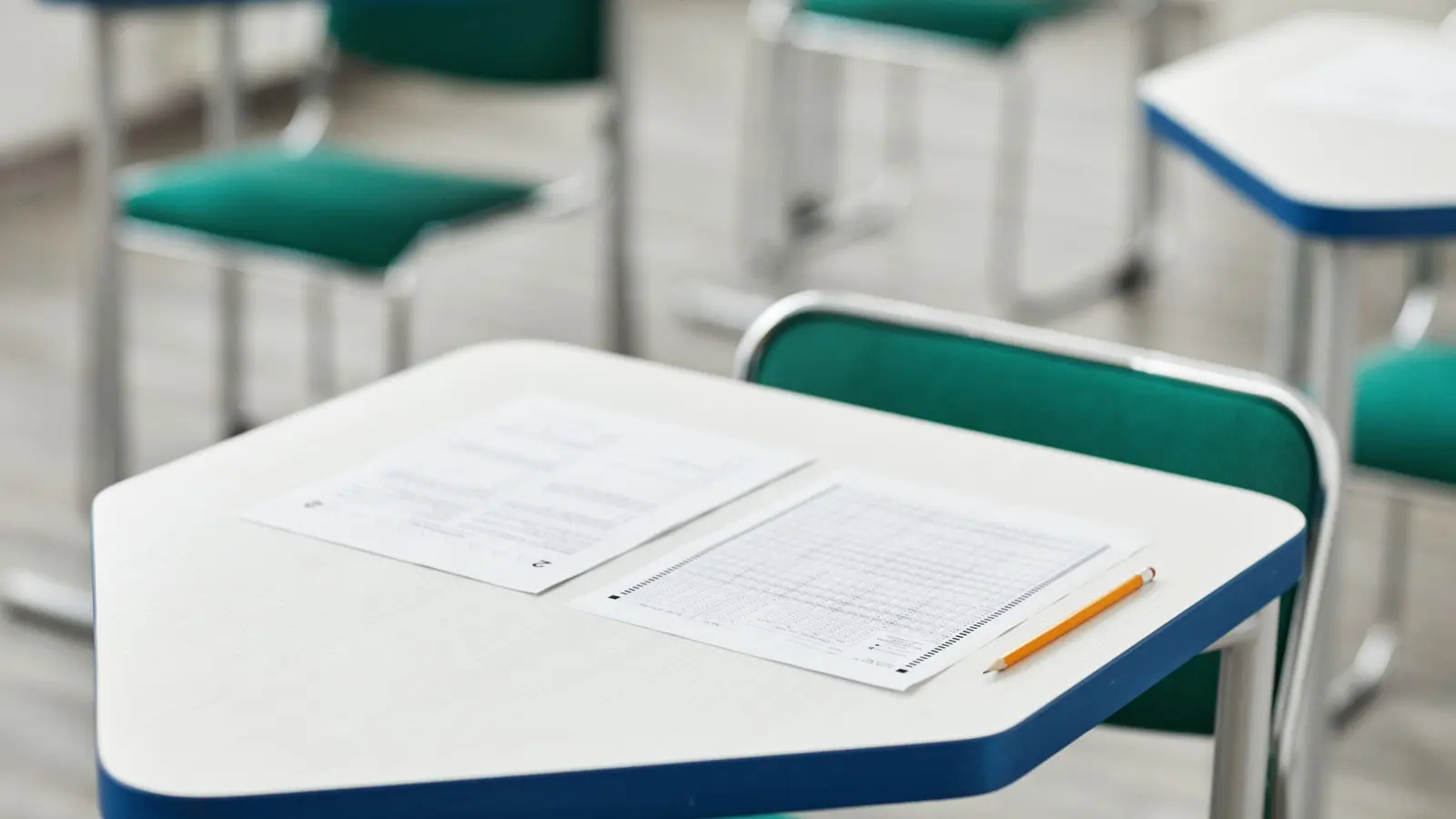
If a migraine starts during an exam, tell the invigilator immediately, while it’s happening. Take your usual medication if you’re allowed it in the room, ask for water, and ask whether you can have a break. Telling someone at the time is the step that matters most, because a migraine nobody saw is very hard to have taken into account afterwards.
Parents: Migraine Journal on your phone keeps a dated record of every attack, and makes a PDF of the last 30 days to hand to the school. That record is what an access-arrangements request needs. Free to track.
What follows covers the day itself first, then the things that have to be sorted out months before it, which is where most of the difference is made.
The night before
The night before an exam is when people do the most migraine-hostile things: stay up late, skip dinner, drink coffee at 10pm, and spend four hours in front of a screen. Revision is the one season where every common trigger shows up at once.
The Migraine Trust’s guidance for parents of 16–18-year-olds names skipped meals, dehydration, screens, heat and bright sunlight among the possible triggers, and suggests pacing revision and coursework instead of cramming. The practical version for the night before:
- Sleep at the usual time. A late night and an early alarm is a sleep change in both directions. Sleep and migraines explains why the change, not just the shortfall, is the problem.
- Eat a normal dinner and a normal breakfast, even if nerves say otherwise.
- Keep caffeine at its usual level and time. Exam morning is not the day to stop, or to double it. Caffeine and migraines covers the withdrawal timing.
- Pack the bag the night before: medication, a clear water bottle and a snack if the exam rules allow them.
On the morning of the exam
If you wake up with a migraine, take your usual acute medication early. Then tell the school before the exam, by phone or by a parent, not after. Whether to sit the paper is a judgement made on the day. Some students sit papers through a mild attack and do fine. Some can’t see the page.
If you can’t sit it, or you sit it and it goes badly, ask the school about the exam board’s process for illness at the time of an exam as soon as possible. These processes have deadlines, and it’s usually the school that applies, not you.
In the exam room
- Raise your hand and tell the invigilator at the first sign: “I’m getting a migraine.”
- Take your medication if you’re allowed it in the room. If it’s in your bag, ask.
- Ask for water and a break if you need one, or to move away from a bright window.
- Keep going if you can, but don’t hide it to look brave. A migraine that only you knew about can’t be taken into account later.
Ask for it to be noted. A note made at the time, plus a record showing this is a known, recurring condition, is what lets the school make a case afterwards.
Before exam season: arrangements need a record
The arrangements that actually change the day (rest breaks, a smaller or darker room, a seat away from the windows, permission to keep medication and water on the desk) have to be agreed in advance. They don’t get granted on the morning.
How this works depends on where you are, but the shape is similar in most exam systems. In England, Wales and Northern Ireland, for example, the JCQ separates access arrangements, agreed before the exams on evidence of need, from special consideration, an adjustment after an exam for students affected by illness at the time. In the US, College Board accommodations for the SAT and AP exams also have to be requested ahead through the school. Universities usually handle both through a disability or student support office.
Whatever the system, two things decide whether the request works:
Ask early. The school or college applies, not the student, and the window closes well before exam season. The Migraine Trust notes that teenagers may need special allowances for their exams if attacks affect their ability to sit them or revise, and that a GP or specialist letter can help if the school is reluctant.
Bring a record. “She gets migraines” is a description. “Nine migraine days in the last two months, four on school days, two of them during mocks” is evidence. That’s what the school migraine plan template is for, with the letter and plan to send the school, and how to help a teenager with migraines covers getting the arrangements in writing before the term where they matter.
Keeping the record
For a younger student, the kids’ headache diary is a printable with a page the child fills in and a page for the parent, including school days missed. Older students can use the printable migraine diary, and the school letter and plan turns the record into a request.
A diary on paper has one weakness in exam season: it gets forgotten in exactly the weeks it matters. Migraine Journal takes about ten seconds per attack: the date and time are stamped when you log, and a note says “mock, Chemistry” or “missed period 3”. The History calendar shows migraine days per month at a glance, and the free doctor report turns the last 30 days into a PDF with an attack calendar and migraine days per month that you can attach to an email to the school. Reports covering longer periods, and the sleep and stress pattern cards, are part of Plus.
One honest limit: the app keeps one person’s record per Apple account. A student can keep their own on their phone; a parent who also logs their own migraines should keep the child’s on paper.
After the last paper
Some students find the migraine arrives the day after exams end, not during them. People often call it a “let-down” migraine, arriving once a long stretch of stress is over, and why do I get migraines at the weekend looks at the same timing on a smaller scale. It’s worth noting in the record, because it changes what you plan for next year.
If attacks are getting more frequent through the year, or are new for your child, take the record to your GP rather than waiting for exams to finish.
Quick answers
What should you do if a migraine starts during an exam?
Tell the invigilator straight away, while it is happening. Take your usual medication if it's allowed in the room, and ask for water or a break if you need one. Telling them at the time creates a record of what happened, which matters if you later need the exam board to take it into account.
Can you sit an exam with a migraine?
Sometimes, and it's a judgement made on the day with the school. Many students sit papers during mild attacks. If you can't, or you sit it and it goes badly, ask the school about the board's process for illness at the time of an exam as soon as possible.
Can students with migraine get exam access arrangements?
Often, yes. Exam systems commonly allow arrangements agreed in advance, such as rest breaks, a separate room or seating away from bright windows, for students whose condition affects them. They need evidence, and they need asking for early, through the school or college.
Why do migraines get worse in exam season?
Revision changes the things that commonly set attacks off all at once: later nights and broken sleep, skipped meals, long screen hours, more caffeine, and a sudden drop in stress once the last paper is done. The timing pattern is worth recording.
Track it in under a minute
Logs an attack in seconds, records the barometric-pressure change automatically, and prints the summary a neurologist asks for.
This article is general information, not medical advice. Talk to your GP or neurologist about your own symptoms, medication, and treatment.