 Migraine Journal
Appointments
Getting more out of a neurology appointment
A follow-up neurology appointment often runs about ten minutes, and a good part of it goes on questions you could have answered in advance. These are about arriving with the answers already written down, so the time left over goes on the decision instead.

Also in this section

Free Printable Migraine Appointment Prep Sheet (PDF)
One page, filled in the night before. The four figures a clinician asks for first, your treatment history, and a box for what was decided before you leave.
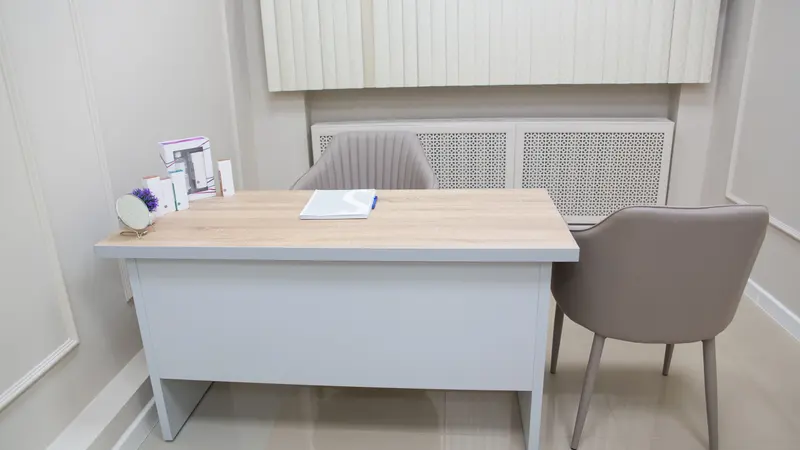
What Happens at a First Neurology Appointment for Migraine
The history takes most of it, the examination is shorter than you expect, and imaging usually isn't ordered. What each part is for, in the order it happens.

How to Get Referred to a Headache Specialist
The referral is decided in a ten-minute GP appointment. What to say, the reasons a GP can act on, and the record that turns a request into a routine letter.

Your Neurologist Asked for a Headache Diary. Record This
Six fields, and what a clinician does with each one at the next appointment — plus the four things people record diligently for months that never get used.
CGRP Prior Authorization: What Your Diary Has to Show
Many US plans still ask for step therapy the American Headache Society dropped in 2024. The diary fields a prior authorization needs, and the renewal trap.

How to Share Your Migraine Diary With Your Doctor
One page, sent two days early, with four numbers at the top. Why a 300-row spreadsheet gets ignored in a twelve-minute appointment, and what to send instead.

Questions to Ask Your Neurologist About Migraines
Twelve questions, grouped by the decision each one settles, plus the two worth asking at the end that change what happens in the months after you leave.

How to Describe Migraine Pain to a Doctor
An eight out of ten tells a clinician almost nothing. How to describe migraine pain to a doctor using the six features they actually listen for.
The four answers to have ready
How many headache days you had last month. How many of those were migrainous. How many days you took something acute to stop an attack. And what you couldn't do because of it — work missed, plans dropped, hours in a dark room.
Those four are what treatment decisions are made against, and they're the four that memory reconstructs worst. A bad fortnight colours the whole month; a good week disappears entirely. Writing them down as they happen is the only version that survives contact with the question.
The months before the appointment are the part that decides how it goes. Tracking migraines properly is the section on building that record without turning it into a second job.
Take the prep sheet in
One page, filled in the night before: your numbers, what you've already tried, what stopped and why, and the questions you don't want to forget once you're in the room. Free, no email, and designed to be handed over rather than read aloud.
Get the free printablesNothing here is medical advice, and none of it is a substitute for the appointment itself. It's about walking in with better raw material for the conversation you're going to have with your GP or neurologist.
Arrive with the numbers already counted
Migraine Journal keeps the running totals as you log, and prints a summary of your last 30 days. MIDAS and HIT-6 are built in, so the disability score is calculated before you sit down rather than estimated across the desk.