 Migraine Journal
How to Share Your Migraine Diary With Your Doctor
One page, sent two days early, with four numbers at the top. Why a 300-row spreadsheet gets ignored in a twelve-minute appointment, and what to send instead.
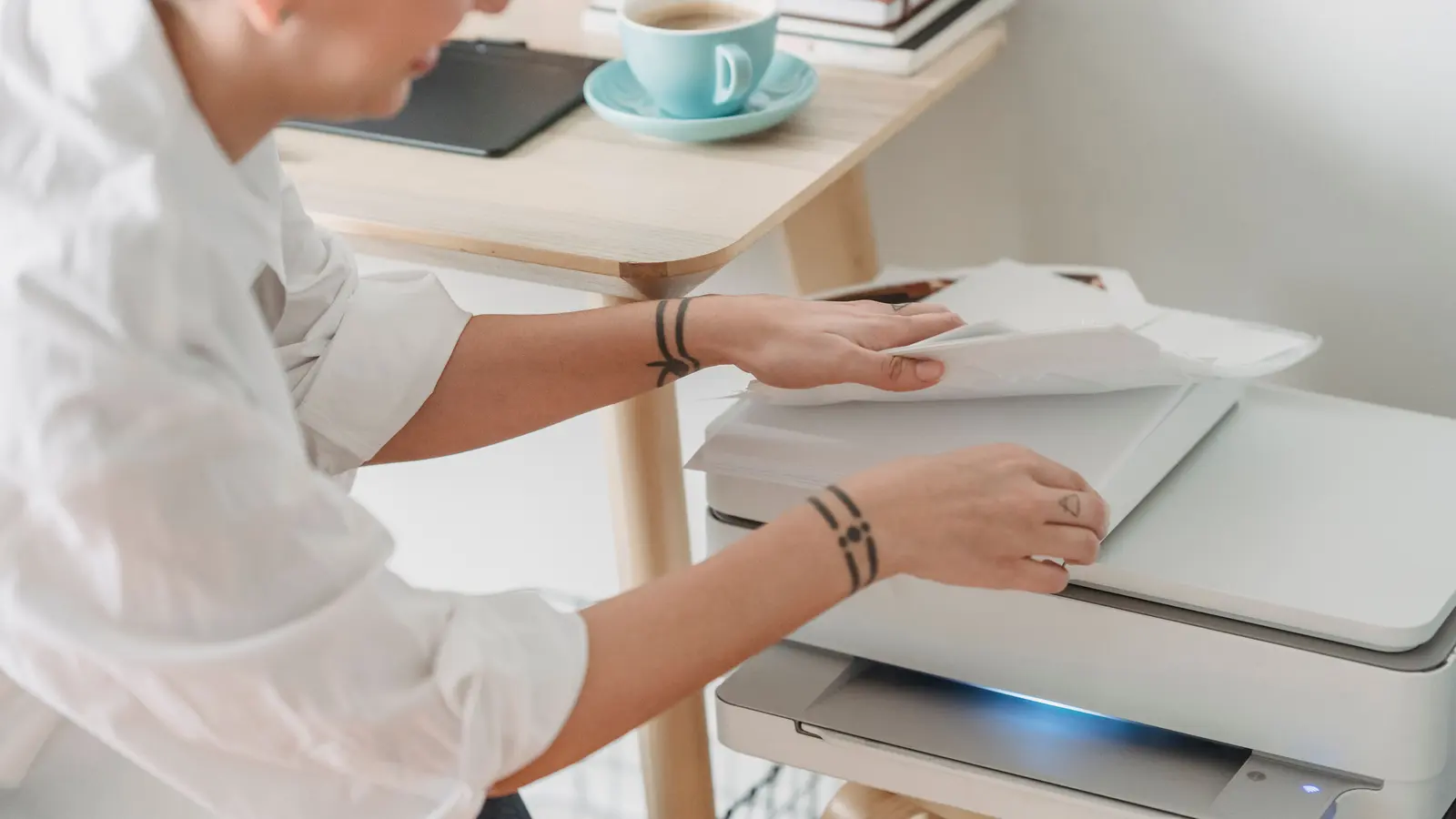
Send one page, two or three days before the appointment, through the patient portal, with the four numbers at the top and the detail behind them. Bring a printed copy anyway. That’s the whole method, and the rest of this explains why each part is like that — because the common version, forty pages of raw entries handed over at the desk, reliably produces a nod and nothing else.
What gets read in the first minute
A clinician opening your diary is looking for a small number of things, and looking fast. In a twelve-minute follow-up they are reading for:
- How often. Migraine days per month, and headache days per month as a separate figure.
- How bad. Severity, and better still a disability score. MIDAS, published by the National Headache Foundation, is five questions about days lost over three months and produces a graded score a clinician can read at a glance; HIT-6 does a similar job in six.
- How much medication. Days per month on which you took something acute — the number that decides whether medication overuse is in play.
- What’s been tried. Drug, dose, dates, and why it stopped.
Everything else in your record is supporting material. If those four are not visible without arithmetic, they will not be arrived at during the appointment, and the conversation defaults to “how have things been?” — which is the question the diary existed to replace. What to record day to day is the other half of this — those four figures only fall out cleanly if the daily fields were chosen to produce them.
Put them in a block at the top. Not a sentence, a block, with the period they cover written next to them. “Jun 1 – Jul 31: 11 migraine days/month, 16 headache days/month, acute medication on 9 days/month, average severity 6.”
Why the raw export is the wrong artefact
Exporting everything feels like the thorough choice. It isn’t, for a plain reason: a spreadsheet of three hundred rows moves the work of summarising onto the person with the least time to do it.
There’s a second problem. Raw entries are usually recorded in the language of the day they happened — “awful”, “the bad kind”, “same as Tuesday” — which is honest and completely unusable to a reader who wasn’t there. The summary is where those become numbers.
Keep the full record. Have it with you. Offer it if you’re asked something the summary doesn’t answer. Just don’t make it the thing you hand over.
Format, channel, timing
Format: PDF, one page. A PDF opens the same way on every device and prints predictably. A spreadsheet may not open at all on a clinic machine, and a photo of a paper diary taken at an angle is unreadable at the size it gets viewed.
Channel: the patient portal. It reaches the clinician, attaches to your record, and stays inside the practice’s system. Plain email is the weakest option for something this sensitive, and clinic inboxes are often shared. If there’s no portal, print it and bring two copies.
Timing: two or three days ahead. The night before is too late to be read. A fortnight ahead is buried under everything since. Two sentences with the attachment is plenty: what period it covers, and the one thing you want to discuss.
That last part is worth doing deliberately. A diary sent with no ask gets filed; a diary sent with “I’d like to talk about whether this counts as chronic” gets read against a question. If you’re not sure what to ask for, the questions worth putting to a neurologist are grouped by the decision each one settles.
Bring the printed copy regardless of what you sent. Portal attachments get missed, and arguing about whether it arrived costs more of the appointment than printing a page did.
Doing it on paper
None of this needs an app. If you keep a printable diary, the handover version is one sheet you fill in the night before — and rather than ruling your own, the free appointment prep sheet already has the four numbers as boxed fields, a records-cover line, and the treatment-history table laid out. What follows is what goes in it, in the order that matters:
- Count the calendar days with a qualifying headache in the period — days, not attacks, since one attack running from Friday night to Sunday morning is three of them. That count is the headline number.
- Count the days you took anything acute. Separate line.
- Write the range the diary covers, and the date you totalled it.
- List the preventives tried, with dose and start and stop dates, and one word for why each stopped.
- Staple the summary on top of the pages, not behind them.
Five lines and a staple beats a beautifully kept notebook nobody opens. All the printables, including that sheet, are at free downloads.
The exported version
Migraine Journal produces a Headache Summary Report as a PDF, and it’s built around the same first-minute logic: migraine days per month leads, then an attack calendar, then triggers, symptoms, and where the pain sits. It goes out through the standard iOS share sheet, so it can go into a portal upload, into Files, or straight to a printer. The last 30 days export free; longer spans are part of Plus.
Two things about it are worth knowing before you rely on it. Your entries stay in your own iCloud account and are not visible to anyone who makes the app, so the report is something you generate and send, not something anyone else can produce for you. And it is explicitly a summary to discuss, not a diagnosis — the sheet says so on the page, which is the right posture to carry into the room too.
Then ask what would be more useful
The most valuable thirty seconds is at the end, and almost nobody spends it: ask what they’d like recorded differently before next time.
Sometimes the answer is nothing. Sometimes it’s a specific request — time of onset, or which side, or how long after waking — that turns your next six months of logging into something that answers a question they’re actually holding. That request is worth more than any template, including the ones on this site, because it’s about your case. The rest of the appointment packet, if you want to assemble the whole thing rather than just the diary, is in what to bring to a neurologist appointment.
Quick answers
Should I email my migraine diary to my doctor?
Use the patient portal rather than plain email where one exists. Portal messages are held inside the practice's own system, they attach to your record, and they reach the clinician rather than a shared inbox. Plain email is the least private of the options.
How far in advance should I send it?
Two or three days. Sent the night before it may not be opened; sent two weeks early it is buried by the time you arrive. Bring a printed copy regardless, because portal attachments are missed often enough to plan around.
How much should I send?
One page of summary, with the detail available behind it if asked. A long export of raw entries shifts the work of totalling it onto someone who has around twelve minutes, and what does not get totalled does not get used.
Walk in with the numbers, not an impression
Attack count, average severity, acute-medication days, and a printable summary of the last 30 days — the four things the questions in this post are really asking for. MIDAS and HIT-6 are built in, so the disability score is already calculated when you arrive.
This article is general information, not medical advice. Talk to your GP or neurologist about your own symptoms, medication, and treatment.