 Migraine Journal
Alcohol and Migraines: The Same Night or the Next Morning
Red wine is the most-blamed drink and works less than one time in ten. The onset timing is what separates a real trigger from an ordinary hangover.
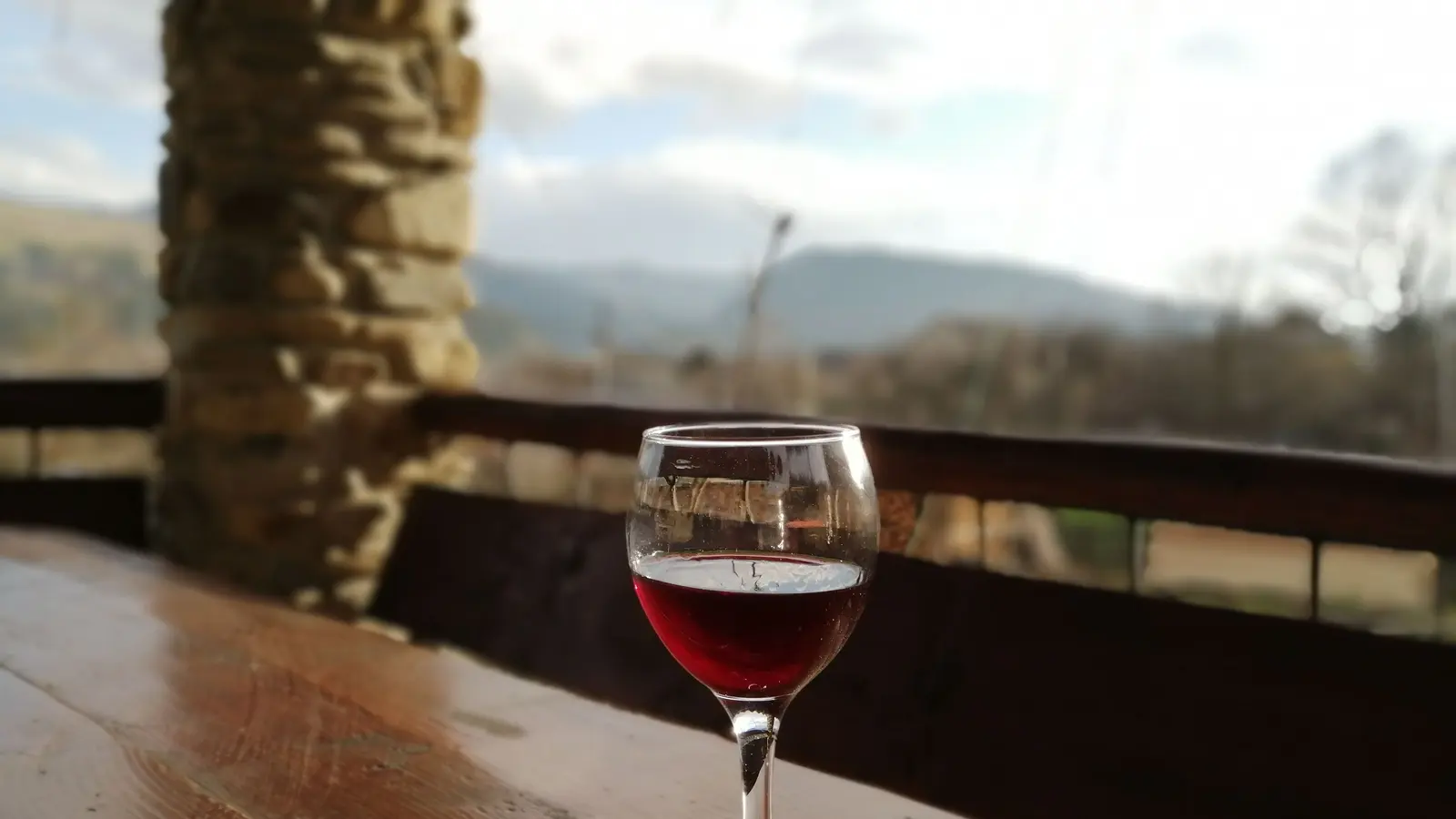
Red wine has been the named suspect for so long that most people with migraine have either given it up or feel they should. The largest survey of the question suggests both the belief and the disappointment that follows elimination have the same root: the trigger is real, and it is far less reliable than anyone assumes.
The consistency figure
Researchers surveyed 2,197 people with migraine about alcoholic drinks as trigger factors. Wine — particularly red wine — was the most commonly recognised alcoholic trigger, named by 77.8%.
Then the number that changes how you should read the first one: red wine consistently led to an attack in only 8.8% of participants.
So four out of five people identified it, and fewer than one in ten found it worked every time. The authors’ reading is that alcohol acting as a single sufficient trigger is unlikely, and that it more plausibly depends on a fluctuating threshold — the same drink lands differently depending on what else is going on that week.
That explains the pattern people find so frustrating. You cut red wine, attacks continue, you conclude the trigger idea was nonsense. What actually happened is that the drink was one contributor among several on the nights it did anything, and removing it moved the odds rather than closing the door.
Timing separates two different things
The more useful finding is about onset.
In the same study, onset was rapid — under three hours — in roughly a third of people, and nearly 90% had onset within ten hours, independent of which drink was involved. The authors note that the speed of this contrasts with what is known about hangover headache, which points at a different mechanism.
That gives you a practical separator, and it is worth being deliberate about because the two get recorded identically:
Same evening, within a few hours. An alcohol-provoked attack, behaving the way the data describes.
The next morning, after sleep. More consistent with a hangover, which is a different thing with different causes — dehydration, sleep quality, and the amount consumed rather than the type.
A great many people have both at different times, which is precisely why an undated “wine gives me migraines” belief resists correction. Write the clock time the drink was finished and the clock time the pain started, and after five or six occasions the shape is obvious.
What people usually get wrong about which drink
Sulphites, histamines, tannins, “the cheap stuff”. These explanations circulate widely and none of them is well established as the operative part.
The reason it matters is not pedantry. Someone who believes it is sulphites switches to white wine, still gets attacks, and concludes alcohol is not their problem after all — when the useful conclusion was available from the switch itself, if it had been recorded as a test rather than a fix.
If you want to know whether a particular category does something for you, treat it as one variable, run it against a baseline, and give it six weeks. The method is the same as for any suspected trigger, and the trap is the same too: change one thing, and write down what else changed that week. How to track migraine triggers without fooling yourself covers it, and why the famous trigger-food list is wrong covers why food and drink suspicions in particular tend to survive evidence against them.
The threshold framing is more useful than the on-off one
If alcohol is a partial contributor rather than a switch, the question stops being “can I drink” and becomes “what else is loaded that day”.
Which makes the surrounding variables worth recording alongside the drink, because they are the difference between the glass that does nothing and the identical glass that does. Short sleep the night before. A skipped or very late meal. A hard week that just ended, which is a pattern in its own right and one that lands on exactly the evenings people are most likely to be drinking. The point is not to build a superstition around each of them but to notice, over a couple of months, whether the nights that go wrong have something else in common.
Two fields per occasion is enough:
- What, how much, and the time you finished
- Whether an attack started, and at what time
Plus your ordinary attack record underneath it, including the clear days, because without those you have a list of bad nights and no idea what proportion of drinking evenings they represent.
Migraine Journal stamps the time when you log an attack, which is the field this particular question turns on and the one that is gone by morning. A pencil mark with two clock times does the same job, and the free printable diary has a notes column wide enough for both.
What none of this settles
Whether to drink is not a question a study of 2,197 people can answer for one person, and it is not one this page is trying to answer either. Alcohol also interacts with several medications used in migraine, which is a matter for whoever prescribes for you rather than something to work out from a table.
What the record gives you is the ability to answer honestly when someone asks — including yourself, at a party, holding a glass — whether this actually does something to you, or whether it is a rule you inherited from an article. Those are different situations, and only one of them is worth the cost of the restriction.
Quick answers
Does alcohol trigger migraines?
For some people, and wine is the most commonly named. In a study of 2,197 people with migraine, wine — especially red wine — was recognised as a trigger by 77.8%, but red wine consistently led to an attack in only 8.8% of them.
How soon after drinking does a migraine start?
Sooner than a hangover. In the same study, onset was rapid — under three hours — in about a third of people, and nearly 90% had onset within ten hours, regardless of which drink was involved.
Is it a migraine or a hangover?
Timing is the cleanest separator. An attack that begins the same evening, within a few hours of drinking, is behaving differently from a headache that arrives the following morning after sleep, and the two point at different mechanisms.
Is it the sulphites in red wine?
That is the folklore rather than the finding. Someone who switches from red to white and still gets attacks has usually learned something about the folklore instead of about themselves — which is exactly why the switch is worth recording as a test.
Track it in under a minute
Logs an attack in seconds, records the barometric-pressure change automatically, and prints the summary a neurologist asks for.
This article is general information, not medical advice. Talk to your GP or neurologist about your own symptoms, medication, and treatment.