 Migraine Journal
Migraine Trigger Foods: Why the List You Found Is Wrong
Chocolate, cheese, red wine. The famous migraine trigger foods list has a causation problem, and the factor with the best evidence is not on it at all.
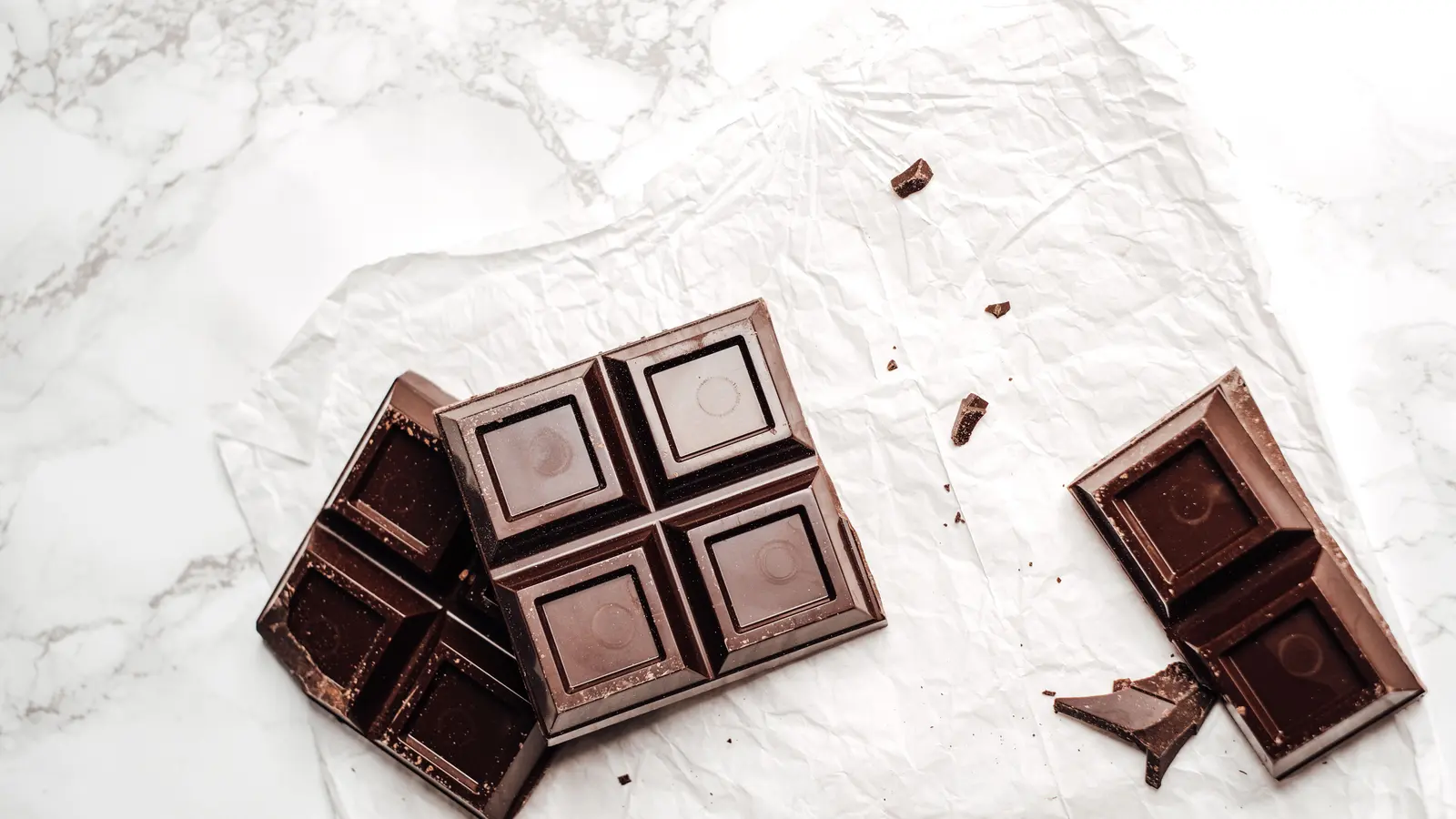
The list is always the same. Chocolate, aged cheese, red wine, citrus, cured meats, anything with MSG or aspartame. It appears on every migraine page ever written, usually without a source, and people spend years eliminating things from it.
Most of it does not survive being tested properly, and the reason it keeps getting reprinted is more interesting than the list.
The causation runs the wrong way
An attack does not start when the pain does. It often begins hours earlier, in a phase clinicians call premonitory or prodromal, and one of its more reliable features is craving specific foods — commonly sweet ones.
Read that against the list. You wanted chocolate at four o’clock. The pain arrived at seven. From the inside, that is a trigger and it feels obvious. What actually happened, at least some of the time, is that the attack was already underway at three and it made the chocolate look appealing. The Migraine Trust has written directly about triggers and premonitory symptoms, and which comes first, because the confusion is common enough to be worth a page of its own.
This explains the shape of the whole problem. The foods that dominate the list are disproportionately the ones people crave — sweet, salty, strong-flavoured — rather than the ones people eat most.
The chocolate study
Chocolate is the item worth pulling out, because it has actually been tested rather than surveyed.
Marcus and colleagues ran a double-blind provocation study with 63 women who had chronic headache. After two weeks on a diet restricting vasoactive amine-rich foods, each of them was given two samples of chocolate and two of carob, in random order, blinded. A taste test beforehand confirmed people could not tell which was which.
Chocolate was no more likely to provoke a headache than the placebo, in any of the diagnostic groups, and it made no difference whether the person believed chocolate was a trigger for them.
One study is one study, and this one is small and specific. But it is the shape of the evidence across most of the famous list: strong belief, weak provocation data. Being suspicious of the list does not mean being certain it is wrong — it means the belief needs testing rather than obeying.
The one with better support is not on the list
Not eating.
Skipped meals, delayed meals and fasting come up consistently, and the mechanism is unremarkable in a way none of the exotic amine theories are. It is also the factor most likely to be hiding inside your food theory: the evening you ate cheese at eleven o’clock was also the evening you did not eat at seven.
That has a practical consequence worth more than any elimination. If your diary keeps pointing at food, record the timing of meals for a fortnight rather than their contents. Gaps between meals is one line a day, needs no restriction, and it separates the two explanations cleanly.
Alcohol is a real one, and it is not the sulphites
Alcohol genuinely does provoke attacks in a substantial share of people, and it does not require an unusual mechanism to do so.
What is less well supported is the folklore around it: that red wine specifically, or sulphites, or histamines, are the operative part. Someone who switches from red to white and still gets attacks has usually learned something about the folklore rather than about themselves. Timing helps here too — attacks that arrive within a few hours of drinking behave differently from the ones that arrive the next morning, and only one of those is a hangover-shaped problem.
How to test a food properly, once
If you are going to test something, test one thing, and get a baseline first.
The method is the same as for any suspected trigger. Take your attack rate over the last six weeks from an existing record. Remove the single food for six weeks, change nothing else, and keep logging every attack and the clear days. Each week, note whether you actually stuck to it and — this is the column that saves you — anything else that changed. A week containing a house move and two nights of four hours’ sleep is not evidence about cheese.
At the end you have a before and after with the same person and one difference. How to track migraine triggers without fooling yourself covers the full method and the traps, and there is a one-page trigger test tracker laid out for exactly this, free and without an email.
What you should not do is remove six foods at once. If attacks improve you have learned nothing about which one mattered and committed to six restrictions indefinitely. If they do not improve you have learned nothing at all and given up things you liked, which is the more common outcome and the reason so many people conclude that tracking is pointless.
The cost of an elimination diet nobody counts
There is a real price to this that rarely gets mentioned on the pages listing the foods.
Chronic restriction narrows what you eat, makes meals out difficult, and adds a layer of self-monitoring to something that used to be ordinary. Done on the basis of a list you found rather than a test you ran, that is a permanent cost paid for an unverified benefit. And a person avoiding nine foods has usually lost the ability to notice which, if any, of them was doing anything.
Anything involving cutting out a food group, and anything involving supplements, is a conversation with your GP or a dietitian rather than a decision to make from a page like this one. What tracking can tell you is whether a specific change made a difference for you. What it cannot tell you is whether it was safe or sensible to make.
Record what you eat only while you are testing something specific, and record when you eat all the time. That inversion of the usual advice is the single most useful thing on this page. The one dietary factor worth testing on its own is the one that isn’t really a food — caffeine can ease an attack, cause one, or cause one by its absence, and there’s a two-week protocol that tells you which. The other tracking guides build on the same six fields, and the printable diary has a notes column that is exactly wide enough for “skipped lunch” and deliberately too narrow for a food diary.
Quick answers
What are the most commonly blamed migraine trigger foods?
Chocolate, aged cheese, red wine, citrus, processed meats and anything containing MSG or aspartame. The list is old, widely reprinted, and most of it has never held up when the foods were tested against a placebo under blinded conditions.
Is chocolate really a migraine trigger?
A double-blind provocation study gave 63 women with chronic headache samples of chocolate and carob in random order after two weeks of dietary restriction, and found chocolate no more likely to provoke a headache than the placebo in any diagnostic group.
Why do foods get blamed when they aren't the cause?
Because craving specific foods is a common premonitory symptom — part of the attack, hours before the pain. The migraine made the chocolate appealing, then the chocolate got the blame, and eliminating it changes nothing.
Which dietary factor has the best evidence?
Not eating. Skipped or delayed meals and fasting are among the most consistently reported dietary factors, and unlike the famous list the mechanism is unremarkable. It is also the easiest one to test, because it needs no elimination at all.
Track it in under a minute
Logs an attack in seconds, records the barometric-pressure change automatically, and prints the summary a neurologist asks for.
This article is general information, not medical advice. Talk to your GP or neurologist about your own symptoms, medication, and treatment.