 Migraine Journal
How to Talk to Your Child's School About Migraines
The nurse's office is not a plan. How to talk to your child's school about migraines, what to ask for in writing, and a letter to send before the meeting.
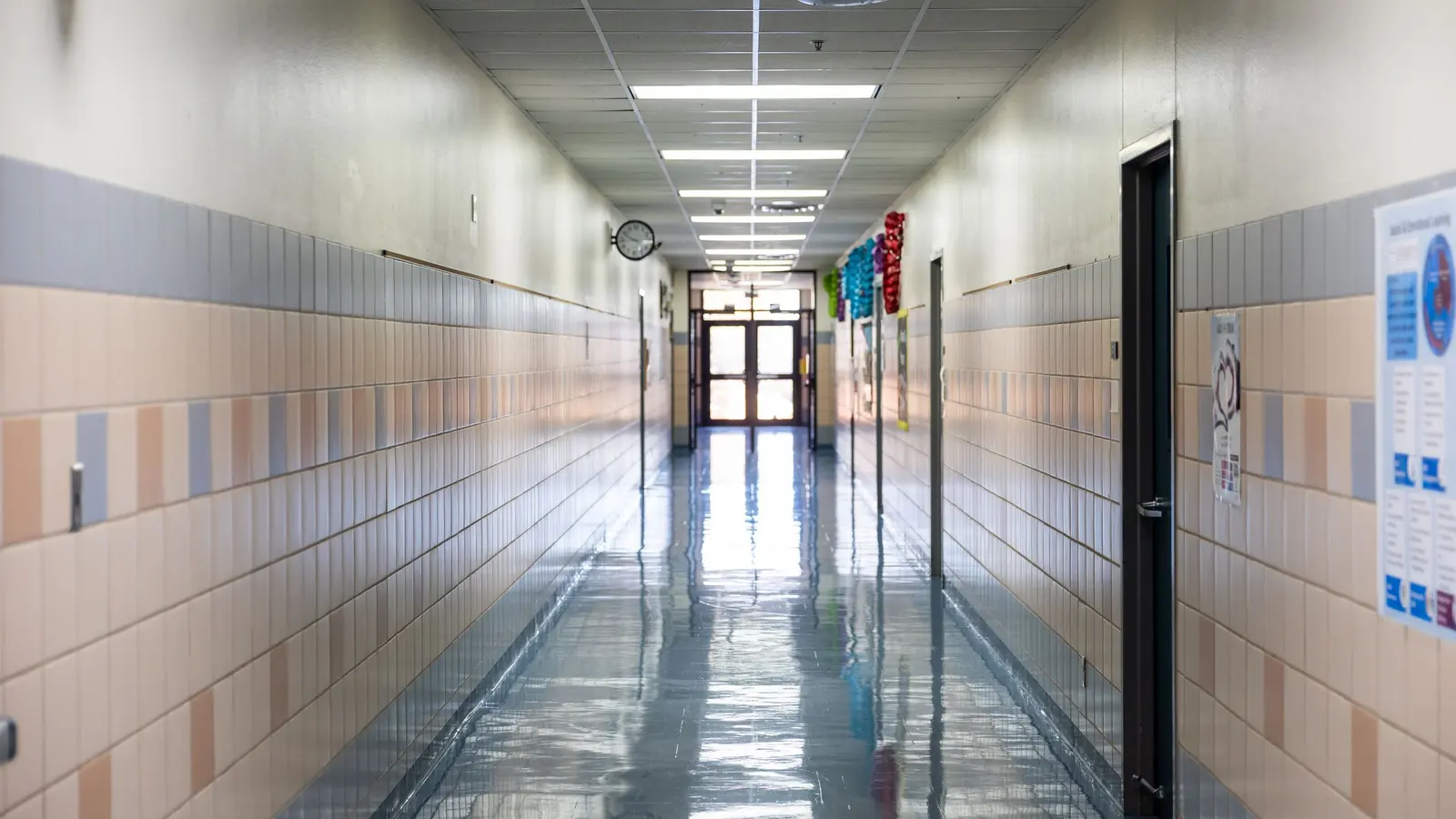
The school has been kind about it. Your daughter has spent nine afternoons this term on the low chair in the office with the blind pulled halfway down, and each time somebody rang you at work to come and collect her. The receptionist knows her name and keeps the lights off in the side room. Everyone has been nice.
Nothing has been written down.
That is the problem, and it is worth being precise about why. Kindness lives in the heads of specific adults. The receptionist who dims the lights leaves in July. The form tutor who lets her put her head on the desk changes in September. A supply teacher on a wet Tuesday sees a fourteen-year-old refusing to take her sunglasses off and reads it as attitude. Every one of those handovers starts the argument again, and your child is the one who has to make the case, mid-attack, to an adult who has never heard of any of it.
A written plan does not make anyone kinder. It makes kindness survive staff turnover.
Ask for a plan, not for sympathy
The single most useful change you can make to how these conversations go is to stop opening with how bad it is. You have probably done this. Most parents do, because it is true and because it feels like the thing that will finally land. It rarely does, because the school already agrees migraine is horrible and has no idea what you want them to do about it on a Wednesday.
Open with the artefact instead. “I’d like us to agree a written plan for what happens when Maya gets an attack at school, so the same thing happens every time regardless of who’s on duty.” That sentence gives the meeting a deliverable. It is also much harder to nod sympathetically at and forget.
The route has a name, and using it changes the reply
In England, the school’s duty is not discretionary. Statutory guidance on supporting pupils at school with medical conditions expects an individual healthcare plan where a condition needs the school to put arrangements in place, and it expects parents to be invited to contribute to it. The document you are asking for has a name: an IHP. Say the name. “Could we look at an individual healthcare plan for this?” is a question the SENCO knows how to answer. “Could someone keep an eye on her?” is not.
In the United States the equivalent lever is Section 504 of the Rehabilitation Act, and the artefact is a 504 plan. The American Migraine Foundation’s parent’s guide to migraine in schoolchildren walks through how the process starts with a request for evaluation and what you can do if you disagree with what comes back. Rules differ by country and by district, so check what applies where you are before leaning on any of it. The practical point survives the jurisdiction: there is almost always an existing form of words for what you want, and asking for it by name moves you out of the category of anxious parent and into the category of routine administrative task.
Name the adjustments. Do not leave it open
“Reasonable adjustments” is not a request, it is a category. Bring five specific things. The Migraine Trust’s guidance on how schools can help their pupils is the most useful list I have found, partly because it includes the one nobody thinks to ask for:
- A dark, quiet place to lie down that is not the corridor and not the reception desk. A store cupboard with a chair counts. What matters is that it is dark and that it is pre-agreed.
- Not automatically being sent home. This is the important one. Many children can head off an attack early and return to lessons, and a school policy of ringing the parent every time converts a manageable attack into a lost day and a chunk of missed content. Ask for the option of thirty minutes in the dark room first.
- Water on the desk and permission to eat a snack in class, if going too long without either sets an attack off for your child.
- Extended deadlines, so a week lost to attacks does not arrive as a discipline problem.
- A separate room for exams, plus rest breaks, if fluorescent light and a hall of 200 scraping chairs is a reliable trigger.
The Migraine Trust also points out that migraine affects around one in ten children, which makes it more common than several conditions school staff are routinely trained for. That framing is useful in a meeting. You are not asking for something exotic.
Bring the record, not the adjectives
The thing that turns a sympathetic meeting into a written plan is a page of dates. Nine attacks, four of which started before eleven in the morning, six of which followed a night of under six hours’ sleep, eleven half-days lost this term. Numbers move institutions in a way that “she’s really been struggling” does not, because numbers can go in a document and be reviewed in March.
You do not need anything clever to produce this. A printable migraine diary filled in by whichever of you remembers is enough, and if you are keeping the log for your child rather than with them, the same rules apply as for any migraine tracking that is meant to hold up later: write it down within the day, and record what you observed rather than what you concluded. Migraine Journal records the date, duration and severity of each attack and can show you the pattern by weekday and time of day, which is the form the school actually wants it in.
Take the totals to the meeting, not the diary itself. Your child’s daily symptom log is not something a school needs to hold.
When the answer is “we already do all this informally”
You will hear this, and often it is even true. The reply that works is not an argument about whether they are doing enough. It is a question about what happens next year.
“I believe you, and it’s been genuinely good this term. What I’m worried about is September, when she has a different tutor and none of this is written down anywhere. Can we get the same arrangement into a plan so it carries over?”
Nobody has to be wrong for that to be a yes.
If the answer is still no, ask for it in writing, and ask what the school’s policy on medical conditions says. A refusal on paper is more useful than a vague yes, because it tells you the next call is to the governing body, the local authority, or in the US the district’s 504 coordinator. Keep the tone flat. You are collecting a record, not winning an exchange.
What to send before the meeting
Walking in cold means spending the first twenty minutes explaining migraine to people who are hearing it for the first time, which is twenty minutes you needed for the plan.
Send this instead, three or four days ahead: the school letter and one-page plan (PDF, free, no email required). Page one is a letter you fill in and email to the form tutor and the SENCO or 504 coordinator: what your child’s attacks look like, what has already happened this term, and the five adjustments you are asking for. Page two is the plan itself, written to be pinned up in the office, so the adult on duty in November can read it in fifteen seconds without ringing anyone.
Leave the medication section for your GP or your child’s neurologist to fill in, and agree the wording with them rather than drafting it yourself. A school will not act on a parent’s instructions about medicine, and it should not.
One more thing worth doing while you are at it: ask who the plan’s named owner is. A document with no owner gets filed. A document with a name against it gets reviewed, and it will need reviewing, because the version you agree in September will be wrong by February. That is normal. What you are building is not a perfect description of your child’s migraine. It is the thing that stops you having this meeting again from the beginning.
If your child is much younger, the first difficulty is recognising it at all — in small children attacks are shorter, often on both sides, and sometimes arrive as recurrent tummy ache with no head pain, which the signs of migraine in a young child sets out before you get anywhere near a meeting.
If you have a teenager rather than a younger child, the conversation with the school is only half of it, and the half that happens at home is harder. The rest of the caregiving guides cover that half.
Quick answers
What should you actually ask a school for?
A written plan, by its name. In England that's an individual healthcare plan under the statutory guidance on supporting pupils with medical conditions; in the US it's a 504 plan. Asking by name moves you from anxious parent to routine administrative task.
Why isn't informal kindness enough?
Kindness lives in the heads of specific adults. The receptionist who dims the lights leaves in July, the form tutor changes in September, and a supply teacher reads sunglasses as attitude. A written plan doesn't make anyone kinder — it makes kindness survive staff turnover.
Which adjustment matters most?
Not being automatically sent home. Many children can head off an attack early and return to lessons, and a policy of ringing the parent every time converts a manageable attack into a lost day. Ask for the option of thirty minutes in a dark room first.
What should you take to the meeting?
The totals, not the diary. Nine attacks, four starting before eleven, eleven half-days lost this term. Numbers move institutions in a way that “she's really been struggling” does not, because numbers go in a document and get reviewed in March.
Something you can hand them
The hardest part of helping is that the pattern lives in someone else’s head, and they are rarely in a state to write it down. A printed diary is the version that survives a bad week: one page, on the fridge, filled in by whoever is upright.
If they use an iPhone and would rather not deal with paper, Migraine Journal does the same job in under a minute.
This article is general information, not medical advice. Talk to your GP or neurologist about your own symptoms, medication, and treatment.